Chasing millions of viewers who never spend a cent is one of the easiest ways to confuse reach with revenue. A channel with 100 loyal viewers who actively need a product can be commercially stronger than one with 100,000 passive viewers, because intent gives an audience economic value that raw traffic cannot show. That is the basic logic behind niche streaming channels and the micro-conversion economy.
Kevin Kelly’s famous 1,000 True Fans argument makes a similar point: creators don’t necessarily need mass fame if a smaller audience is willing to repeatedly pay for what they make.
1. Why Niche Streaming Channels Can Beat Mass Audiences on Revenue


The important question isn’t simply how many people are watching. It’s why they are watching, what problem they have, and what they are prepared to do next.
A Coding Stream With 50 Viewers Can Be Commercially Valuable
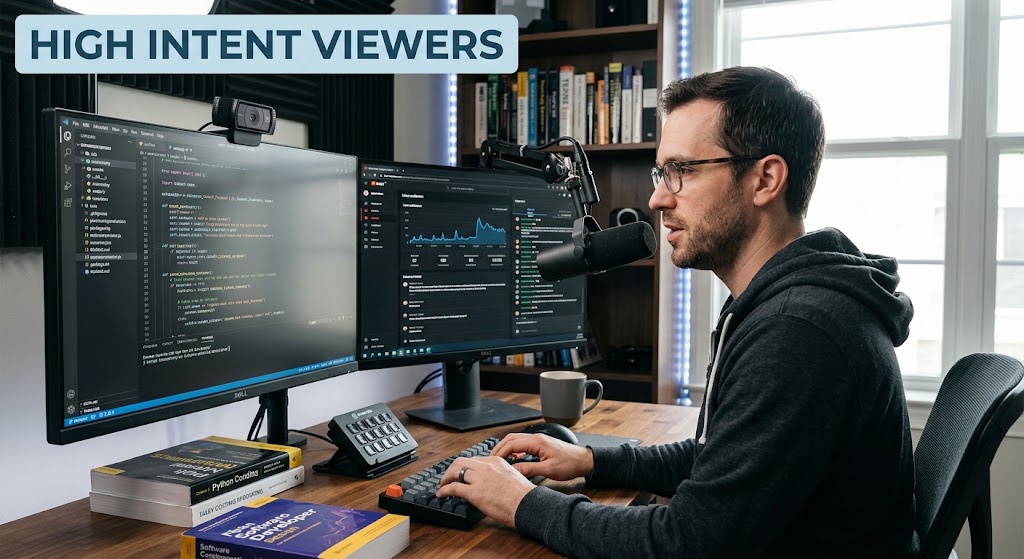
Imagine a creator livestreaming software development. Fifty viewers arrive because they need help choosing an API, debugging code, learning a tool, or improving their workflow.
That audience is commercially different from 50 random entertainment viewers.
A software company can potentially reach people already researching a solution. The creator therefore has something more useful than attention: contextual relevance.
Micro Communities Create Stronger Commercial Signals
Small micro communities can be surprisingly powerful because members usually share a specific problem, hobby, profession, or purchasing interest.
A jewelry livestream is another good example. Fifty people watching someone demonstrate gemstone-setting techniques may include serious buyers, aspiring makers, collectors, or retailers.
That’s far more actionable than knowing that thousands of people happened to scroll past a generic entertainment stream.
The True Fans Concept Is About Spending, Not Follower Count
Kevin Kelly’s 1,000 True Fans framework was never really about hitting exactly 1,000 people. The underlying idea is that a smaller group of committed supporters can create a sustainable business when each person generates meaningful annual value.
For livestreamers, that value might come from:
- memberships
- paid communities
- affiliate purchases
- digital products
- consultations
- merchandise
- sponsorships
- premium events
The math changes depending on the niche, but the principle survives.
Measure Intent Before Celebrating View Counts
Look beyond concurrent viewers. Track:
- Returning viewers
- Average watch time
- Chat participation
- Click-through rate
- Affiliate conversions
- Membership purchases
- Sponsor-driven actions
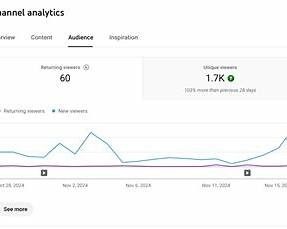
YouTube analytics, for example, separates unique viewers from returning viewers and provides audience-retention information.
A smaller audience returning every week can be much healthier than a giant audience that disappears after one stream.
2. Micro Communities and High Intent Viewers Make Sponsorship More Valuable

Brands don’t always need the biggest creator. They need access to the right buyer.
Recent sponsorship data supports that point. SponsorRadar’s 2026 analysis of more than one million detected YouTube sponsorship deals found that channels below one million subscribers represented a substantial portion of sponsorship activity, while niche economics varied considerably. Finance and business, for example, commanded higher sponsorship CPM ranges than several larger-volume categories.
A Jewelry Channel Has a Different Value Than a Gaming Channel
Suppose a jewelry maker has 2,000 followers and consistently demonstrates handmade rings.
A jewelry-tool manufacturer doesn’t necessarily want 500,000 gamers. It wants people interested in jewelry making.
That means the creator can pitch:
- product demonstrations
- live product testing
- affiliate campaigns
- sponsored tutorials
- exclusive launches
- educational workshops
The audience is smaller, but the commercial connection is clearer.
Targeted Sponsorship Works When the Product Fits the Conversation
Good sponsorship doesn’t feel like an interruption.
A programming channel reviewing developer software has a natural commercial connection. A jewelry creator testing a polishing machine has another. A financial education channel discussing portfolio tools has yet another.
This is where targeted sponsorship becomes stronger than generic exposure. SponsorRadar’s current data also shows meaningful differences between niches, with technology and finance among categories attracting relatively high sponsorship values per thousand views.
Don’t Pitch Brands With Vanity Metrics Alone
A weak pitch says:
“I have 10,000 followers.”
A stronger pitch says:
“My last six streams averaged 1,400 views, 38% returning viewers, and generated 220 clicks on relevant product links.”
The second pitch gives a marketer something to evaluate.
That’s also why high intent viewers matter. They can demonstrate commercial behavior, not merely passive reach.
Trust Is the Asset You Cannot Fake
Small communities collapse quickly when creators promote anything that pays.
Disclose sponsorships, explain why a product is relevant, and don’t pretend a mediocre product is brilliant simply because a contract says so.
The creator’s real competitive advantage is trust. Lose that and the audience becomes just another traffic source.
3. Building a Micro Conversion Funnel Around True Fans, Sponsorships, and High Intent Viewers

The smartest niche strategy isn’t simply “get viewers and sell something.” Build a path where each stage makes the next action natural.
Start With One Expensive or Specific Problem
Don’t build a channel around “technology.”
Build it around something narrower, such as:
- Linux server troubleshooting
- beginner Python automation
- professional camera setup
- handmade jewelry techniques
- collectible watch restoration
Specific problems attract people with specific intentions.
Turn Viewers Into Participants
A livestream becomes commercially interesting when people stop behaving like spectators.
Ask them to:
- Submit questions
- Vote on products
- Join a community
- Download a resource
- Test a recommendation
- Return for the next session
This creates behavioral data while making the stream more useful.
Build Multiple Revenue Layers Instead of One Big Bet
A healthy niche channel might eventually combine:
Free stream → affiliate recommendation → paid community → digital product → sponsorship → premium service
Not every viewer needs to buy everything.
The goal is to create several appropriate paths for different levels of commitment.
If you’re researching communities and channels worth following before choosing a niche, this livestream channel guide can also help identify existing audience patterns and interests.
The 100 Viewer Test Is More Useful Than Chasing a Million
Here’s a practical experiment.
Build a channel around one narrowly defined audience and aim for 100 genuinely interested regular viewers.
Then measure:
- how many return
- what questions they repeatedly ask
- which products they mention
- what they click
- what they buy
- what they would pay to learn
Those answers reveal whether the niche has economic potential.
The true fans concept works best when treated as a business model rather than motivational wallpaper. Kelly’s original argument was essentially about creating direct economic relationships with committed supporters, not simply collecting followers.
And that’s the real lesson: 100 people with a problem can be worth more than 100,000 people with nothing they need from you.


Bùi Quang Huy spent six years working in content operations for a regional video platform, where he organized channel directories, improved content tags, and monitored recommendation quality. He understands how search terms, categories, hashtags, alerts, and viewing history affect what users find online. His guides help readers discover relevant livestreams without endlessly scrolling through crowded platform homepages.